 International
 2025-08-30
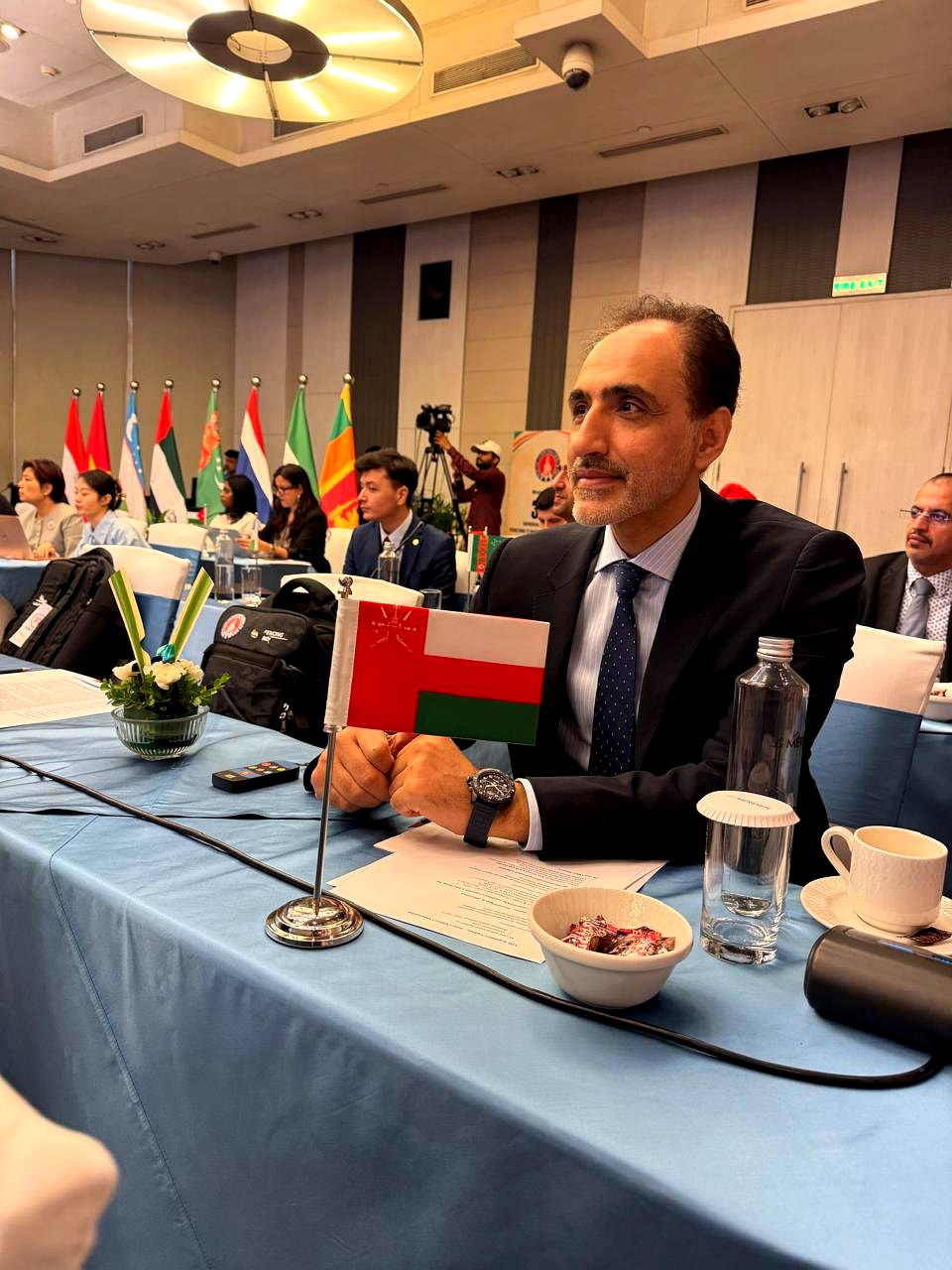
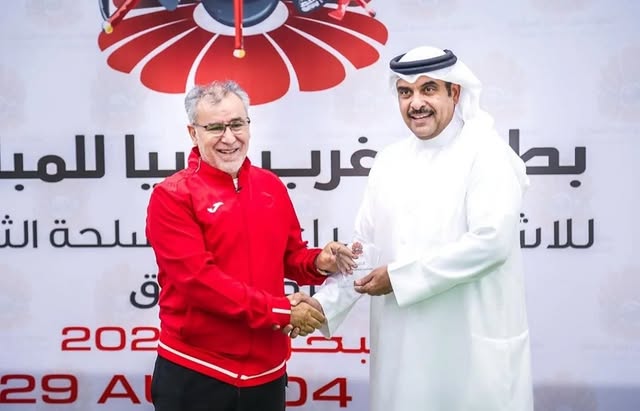
West Asia Championship 2025, Bahrain
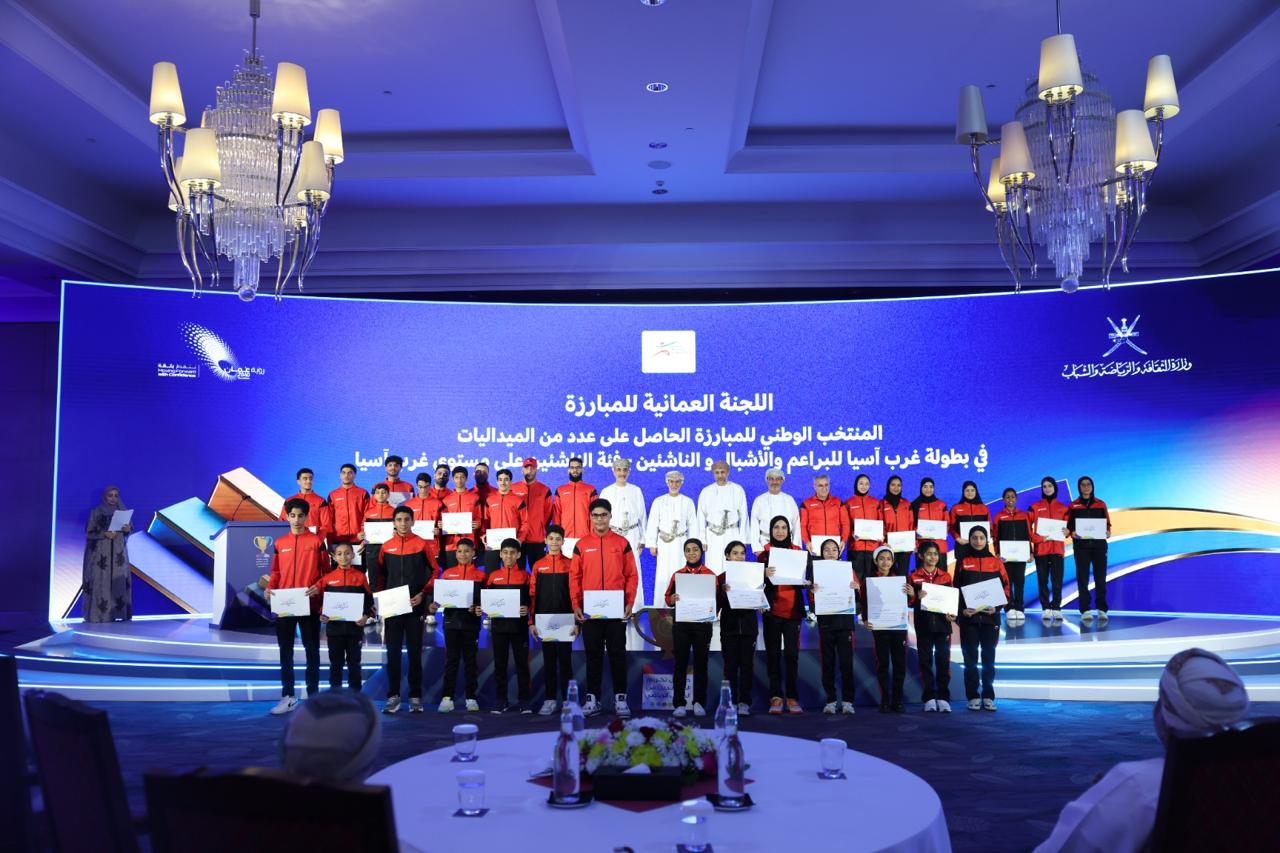
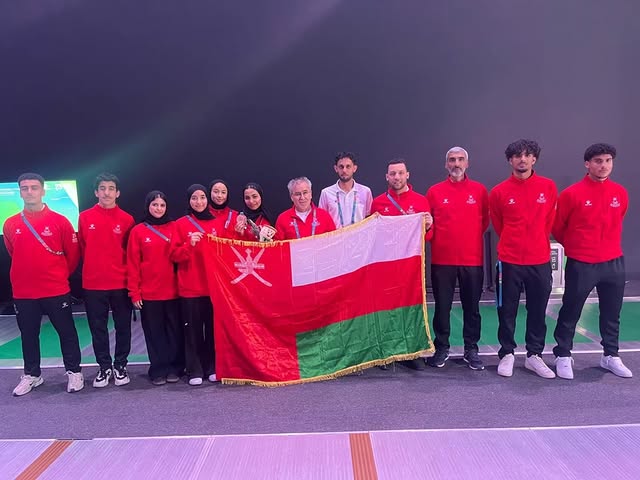
Oman's best-ever regional performance: 31 fencers returned from Bahrain with 36 medals (13 gold, 11 silver, 12 bronze) across cadet, junior and youth categories.
Details


Developing champions and building the future of fencing in the Sultanate of Oman.
Athlete of the day · 2026-10-22
The Oman Fencing Committee is the official governing body for fencing in the Sultanate of Oman, overseeing training, tournaments, and athlete development across all age groups.
Our mission is to elevate Omani fencers to regional and international competition while building a sustainable grassroots community for the sport.
To develop fencing as a distinguished sport in Oman by building champions, supporting clubs, and representing the Sultanate at the highest international level.
Train with an accredited club
Eight accredited clubs run training across the Sultanate, from Muscat to Salalah and Masirah. Each club sets its own fees, venue and timetable. Every accredited coach holds a valid criminal-record certificate and Safe Sport training.
Three Weapons
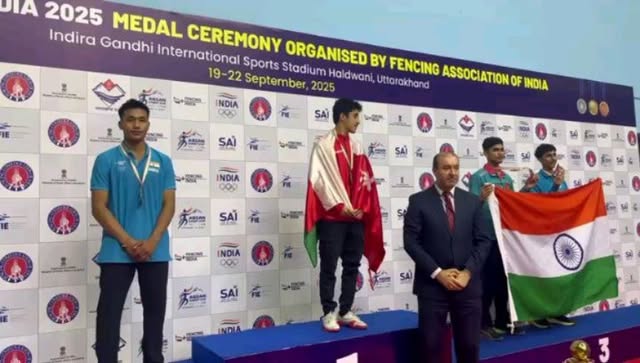
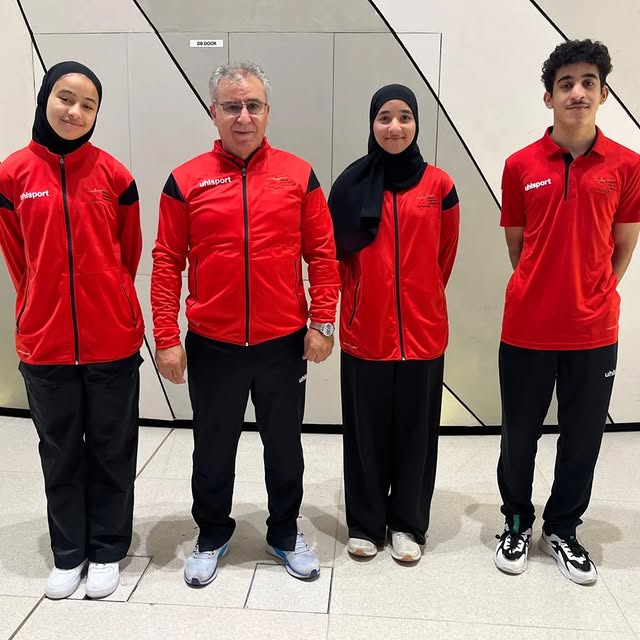
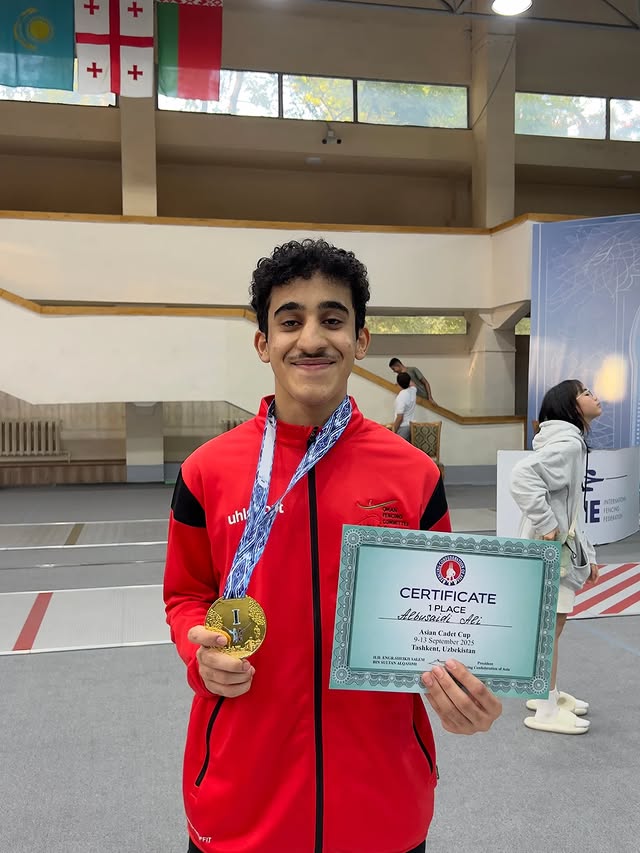
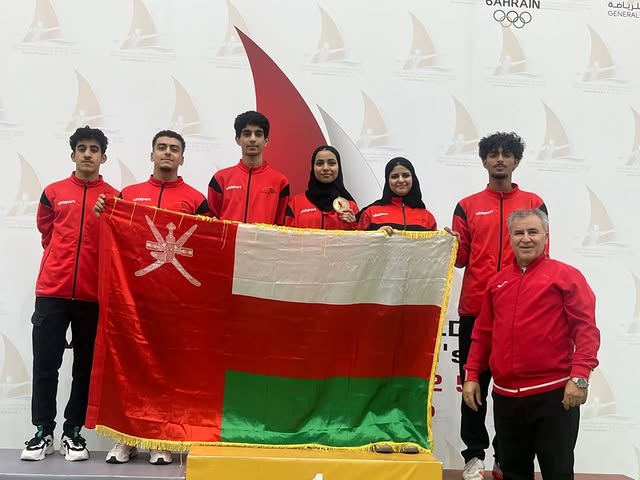
International Oman's best-ever regional performance: 31 fencers returned from Bahrain with 36 medals (13 gold, 11 silver, 12 bronze) across cadet, junior and youth categories.
 Continental
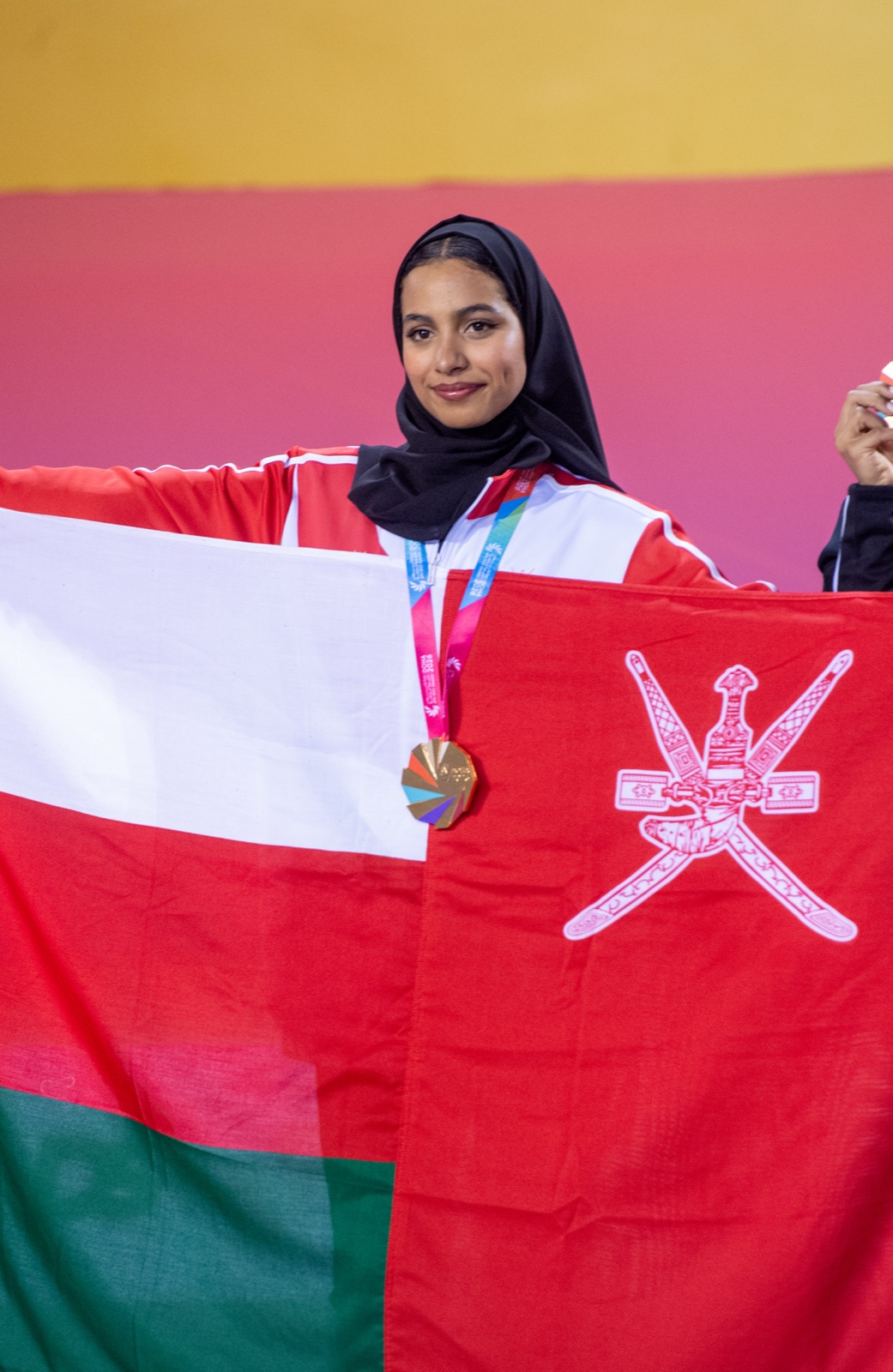
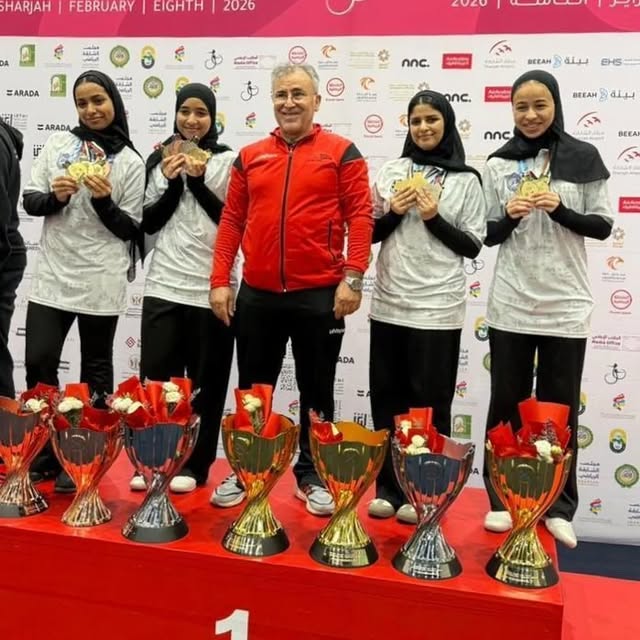
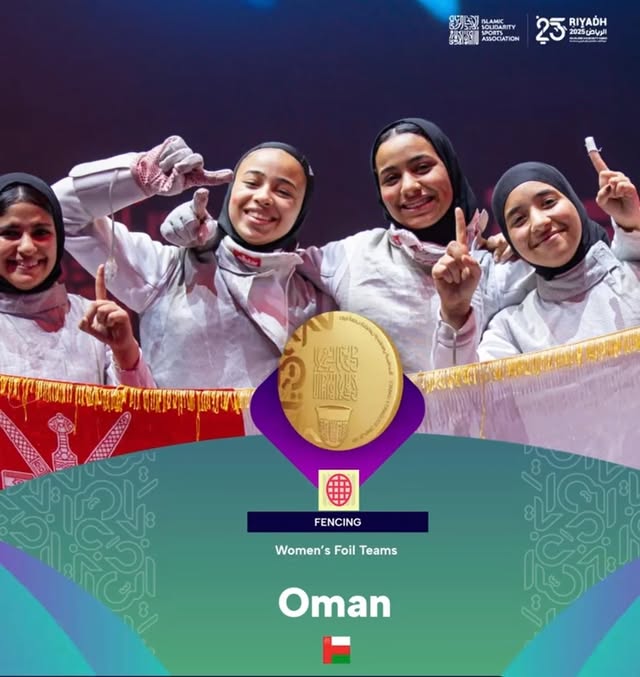
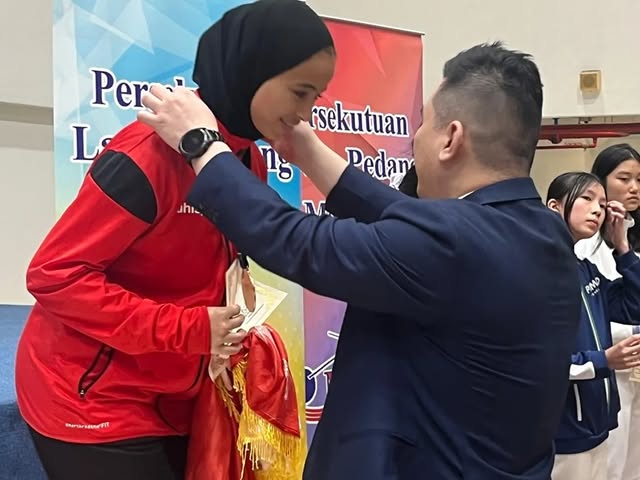
 Jana Al Sharji, Israa Al Siyabi and Salma Al Daghishi claimed the first Asian-level women's team bronze medal for Oman.
 Domestic
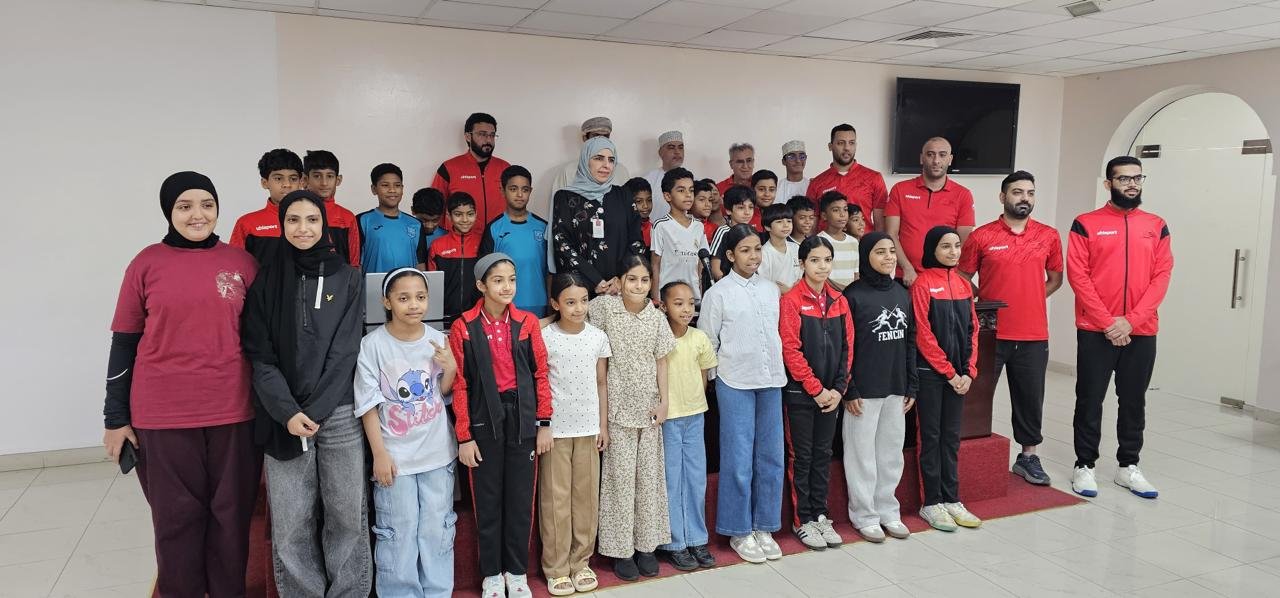
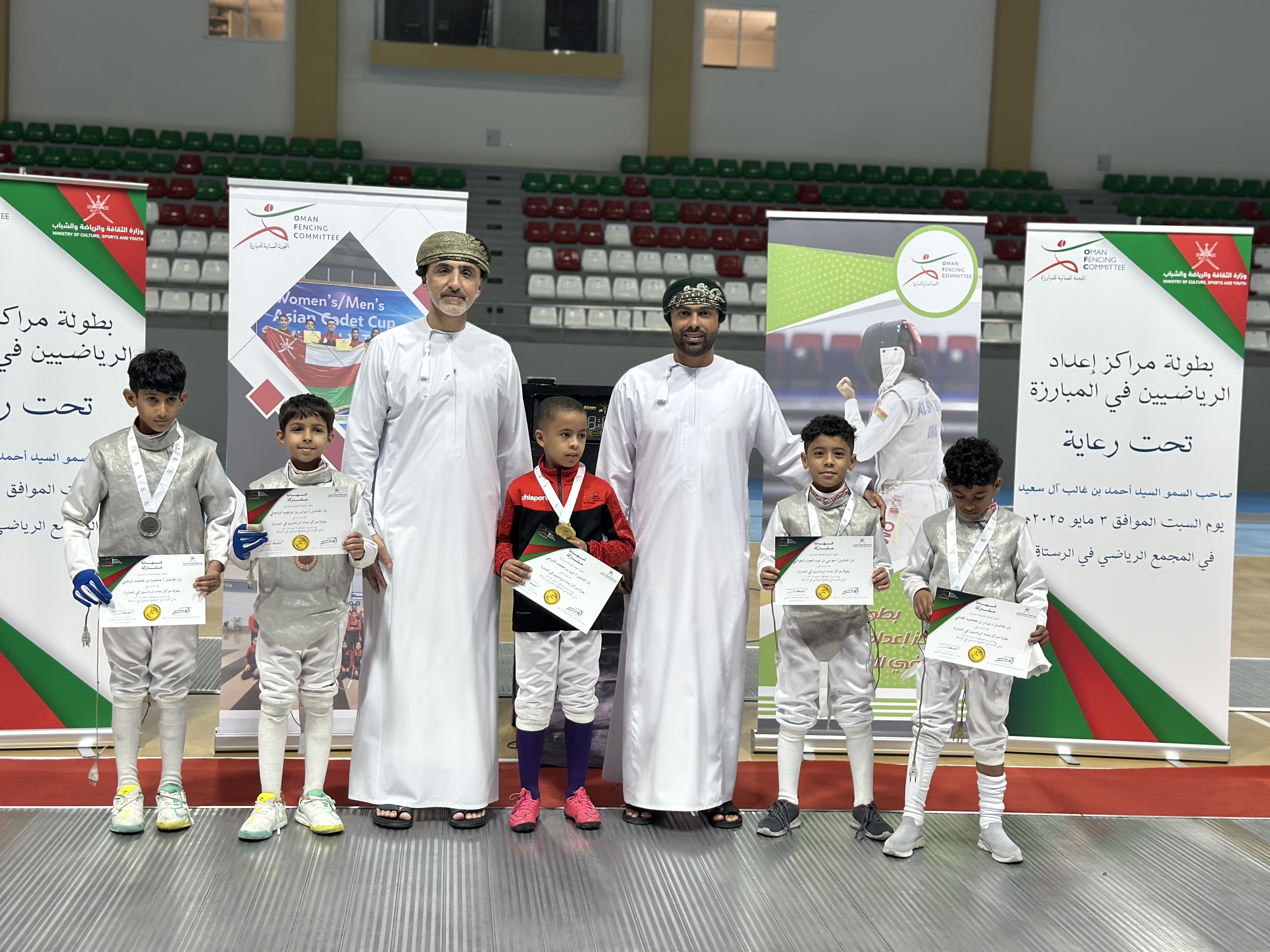
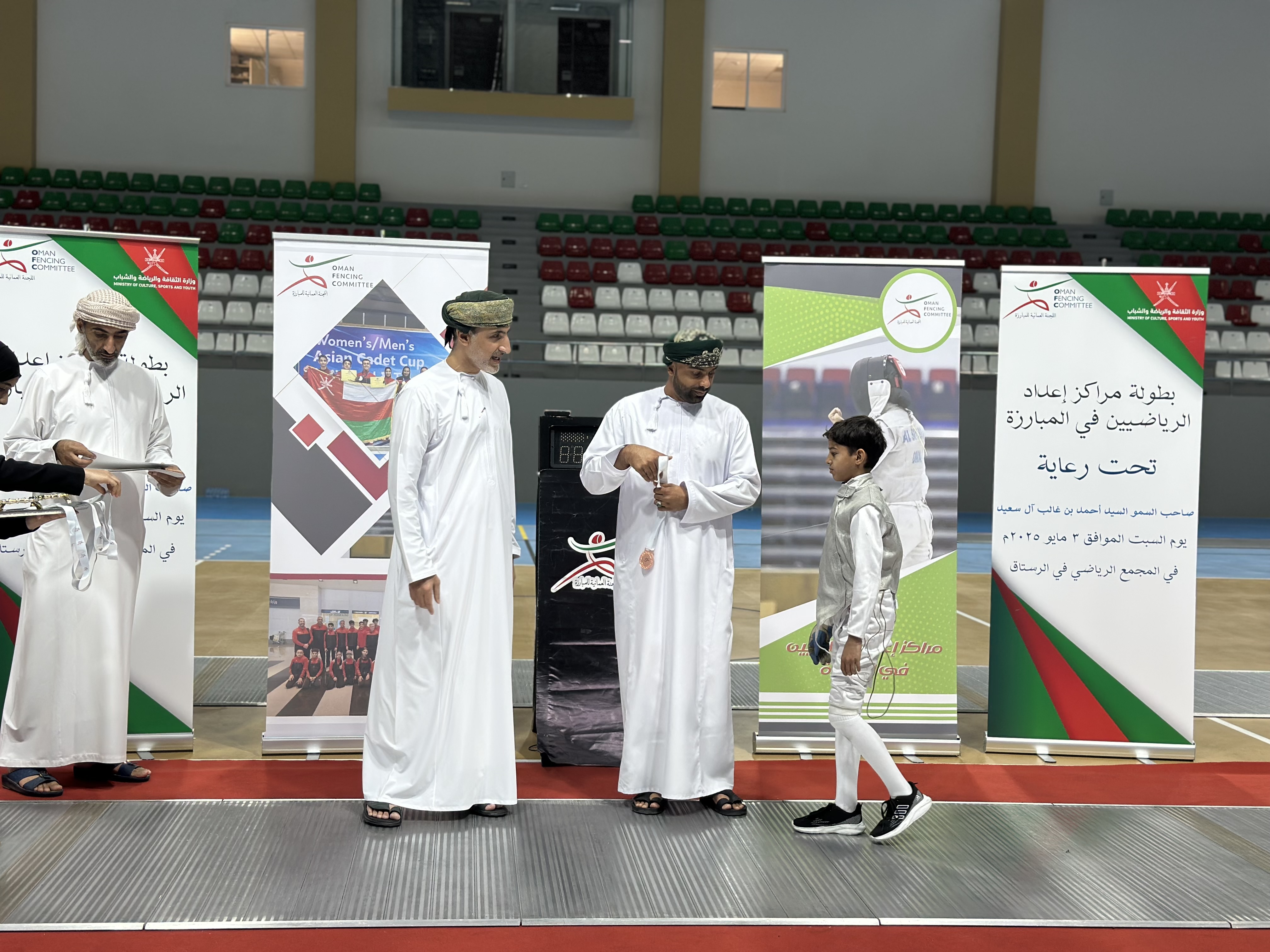
 Development centers tournament for young athletes, held at Al-Rustaq Sports Complex under the patronage of HH Ahmed Ghalib Al Said.
Fencing is as much about the mind as the blade. We're building a generation that thinks fast, trains hard, and represents Oman with honour.

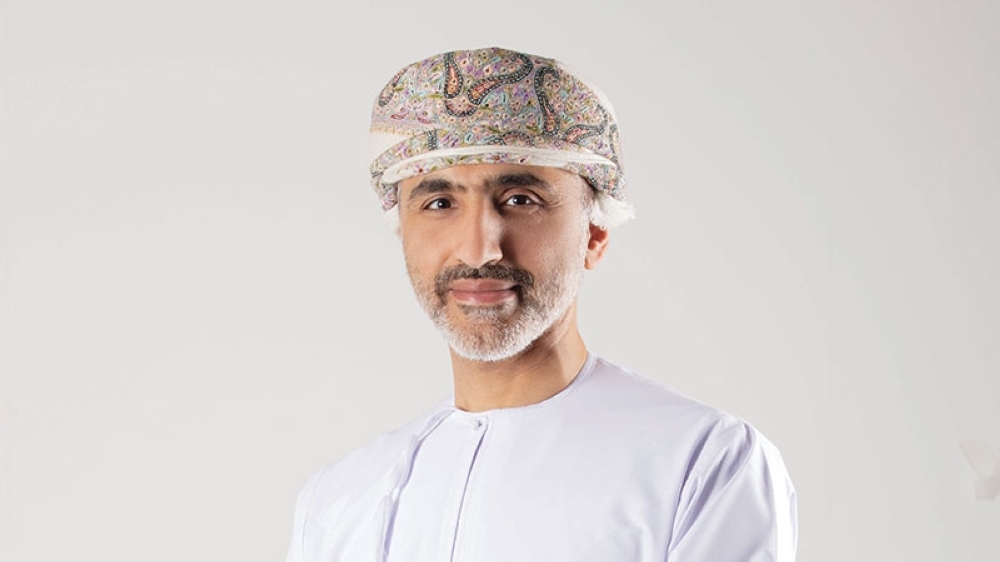
"Fencing is not merely a sport, it is a discipline that builds character, precision, and national pride. Our committee is committed to developing world-class Omani fencers who carry the flag of the Sultanate to international arenas."
The Oman Fencing Committee continues to grow its programs, expand its reach across governorates, and support athletes at every level.
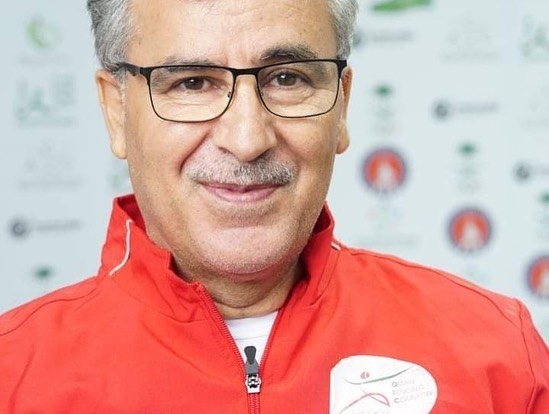
"Our athletes represent the best of Oman, their dedication, discipline, and passion for fencing is a source of national pride. We are building a generation of champions who will carry the Sultanate flag to the highest international stages."
Straight answers
The five questions families and new fencers ask the Committee most often. Fuller answers, plus rules, safeguarding and competition detail, are on the full FAQ.
Accredited clubs take children from six to eight years old, depending on the club. Below that age, children train with foam weapons in playful movement sessions rather than a blade. Coaches judge readiness on coordination and attention span, not on birth date alone. There is no upper age limit: clubs run adult recreational and competitive tracks as well.
A complete personal kit is a mask rated to at least 350 newtons (1600N for senior international competition), a jacket and plastron rated to 800N, breeches to 800N, a glove for the weapon hand with a long cuff, socks to the knee, fencing shoes, an electric weapon with a matching body cord, and a lame overlay for foil and sabre. Buy none of it at the start: accredited clubs lend beginners a mask, jacket and weapon for the first months, which is long enough to know whether the sport suits you. A full personal set costs roughly OMR 150 to 250. The Oman Fencing Committee does not sell equipment and does not endorse a retailer, so talk to your club coach before you order anything. Kit that is not FIE rated will be turned away at the weapon check on a Committee event.
Three separate costs, and only one of them is set by the Committee. Club membership is set by each club and typically runs OMR 20 to 40 a month. The annual OFC athlete licence is OMR 15 and covers insurance at sanctioned events, the national athlete card and national ranking points. Entry to a weapon event at the Sultanate Championship is OMR 5, reduced to OMR 3 for under-12 fencers. Personal equipment, once you decide to buy it, is a one-off OMR 150 to 250. A confidential hardship waiver is available from the Finance sub-committee if cost is what stands between an athlete and the sport.
Through results, not applications. Selection is based on performance at the Sultanate of Oman Fencing Championship and at the ranking events the Committee organises through the season. Club coaches shortlist fencers for national training camps from those results, and the technical committee makes the final selection on domestic and regional record. The route is therefore the same for everyone: join an accredited club, compete domestically, and be seen at the national championship.
The Committee does not run training and does not sell lessons. Training happens at the eight accredited clubs, which set their own fees, venues and timetables: Oman Club, Muscat Club, Al Bashaer, Ahli Sidab and Al Nahdha around Muscat, Salalah Club in Dhofar, Quryat Club, and Masirah Club in the Sharqiyah region and Masirah Island. What the Committee does is accredit those clubs and their coaches, organise the national championship and ranking events, oversee the national team, run safeguarding, and issue the annual athlete licence.